Here is a blog post exploring the cost of translating earbuds, written in an engaging and informative style suitable for a tech or travel blog.
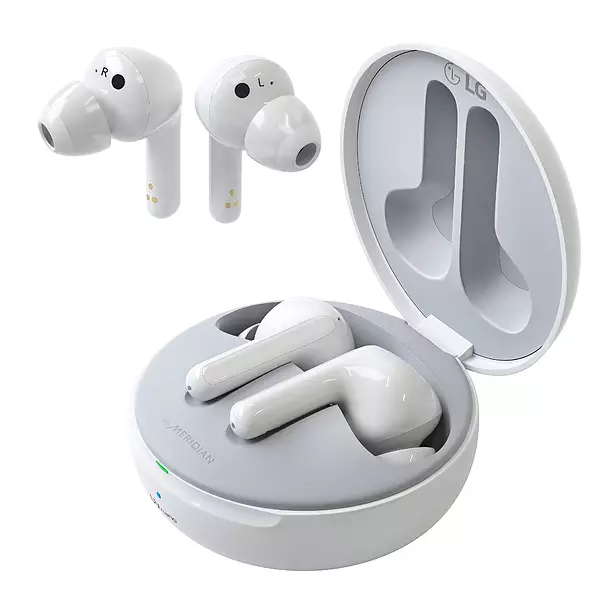 For decades, science fiction has promised us a future where language barriers simply don’t exist. From the universal translators in Star Trek to the Babel Fish in Hitchhiker’s Guide to the Galaxy, the dream has always been the same: pop in a device and understand the world.
That sci-fi dream is now a reality, sitting inside consumer earbuds. But before you pack your bags for a spontaneous trip to Tokyo or Paris, you might be wondering: How much do translating earbuds actually cost?
The short answer is that prices vary wildly, ranging from $50 budget pairs to high-end tech ringing in at $250+. However, the long answer involves understanding what you get for your money.
Let’s break down the price tiers and what you can expect from each.
The Budget Tier: $50 – $100
If you’ve seen viral TikToks of people conversing effortlessly in a foreign market, they are likely using budget-friendly options. Brands like Timekettle (specifically their M2 or M3 models) and click here Buoth dominate this space.
What you get:
- Solid Accuracy: These rely on standard translation apps (usually integrated with Google Translate or proprietary cloud engines) and offer 90-95% accuracy for common phrases.
- Good Battery Life: Usually 3-5 hours of continuous translation, with the charging case providing multiple recharges.
- Offline Mode: A growing number of budget earbuds now offer offline translation packs for major languages (English, Spanish, Chinese, Japanese).
Best for: Casual travelers, students, and budget-conscious techies who want a gadget that works without breaking the bank.
The Mid-Range Sweet Spot: $100 – $180
This is where you find the most popular "all-rounder" devices. The standout here is the Timekettle WT2 Edge, which has set the industry standard for real-time conversation translation.
What you get:
- Simultaneous Translation: Unlike budget earbuds that often require a "tap-to-talk" mode, mid-range earbuds like the WT2 Edge offer hands-free translation. You speak, your partner hears the translation instantly (usually within 0.5 seconds).
- App Integration: Better companion apps that allow for multi-participant conversations (up to 5 people in some cases).
- Better Audio Quality: These often double as legitimate wireless earbuds for listening to music, with decent bass and clarity.
Best for: Business travelers, digital nomads, and expats who need to hold longer, natural conversations with locals.
The Premium Tier: $180 – $250+
This tier includes the Timekettle X1 AI Interpreter Earbuds and specific modes of high-end brands like Google Pixel Buds (with their built-in interpreter mode).
What you get:
- Top-Tier AI Processing: Faster translation speeds and better handling of complex sentence structures and idioms.
- Screen Support: The Timekettle X1, for example, comes with a dock that has a screen, allowing you to read the conversation as it happens—great for noisy environments.
- Privacy: Unlike using your phone’s speaker, earbuds keep conversations private, which is crucial for sensitive discussions.
- Luxury Build: Premium materials, noise cancellation, and high-fidelity audio for music.
Best for: Professionals conducting meetings, travelers who demand the highest accuracy, and tech enthusiasts who want the absolute best gear.
The "Hidden" Cost: Your Smartphone
It is vital to remember that most translating earbuds are accessories, not standalone devices.
Unless you buy a high-end pair with built-in cellular data (which are rare and expensive), these earbuds rely on your smartphone’s processor and internet connection.
- Data Roaming: If you’re traveling internationally, you’ll need a data plan. Translation requires an internet connection for the highest accuracy (cloud-based processing).
- Offline Packs: Some apps allow you to download languages for offline use, but these often take up significant storage and may lack the nuance of online translations.
Are They Worth the Money?
So, should you spend $150 on earbuds or stick to the free Google Translate app on your phone?
The Case for the App:
- It’s free.
- It’s great for reading menus and signs (using the camera).
The Case for Earbuds:
- Speed & Flow: Apps require passing the phone back and forth. Earbuds allow for a natural, back-and-forth conversation.
- Hands-Free: You can cook with a local chef, negotiate prices at a market, or walk down the street while chatting—all without staring at a screen.
- Social Connection: Looking someone in the eye while they speak, rather than looking at a phone, creates a much deeper human connection.
Final Verdict
If you are a frequent traveler or need to communicate across languages regularly, translating earbuds are absolutely worth the investment.
- Start with the $100-$150 range. This offers the best balance of features, accuracy, and build quality for most users.
- Look for "Simultaneous Mode" if you want a truly hands-free experience.
- Check the language list before buying to ensure your target language is supported.
The dream of the Babel Fish is here, and it costs about as much as a high-end noise-canceling headset. While they aren't perfect yet (AI still struggles with heavy accents and slang), they are lightyears ahead of where we were just five years ago.
Have you tried translating earbuds? Did they save you from a travel mishap? Let us know in the comments below!